
- News and Events
- 01 Feb
The coronavirus pandemic has led to a record economic upheaval that has shaken businesses to their roots. The global business closures and economic inactivity has caused many employers to offer pay cuts, reduce workforce strength, or shut down all operations. Consequently, as companies ask their workers to return to work, employees have to deal with higher stress levels than before the pandemic.
Workplace stress is not a novel phenomenon. According to Wrike’s 2019 report on workplace stress in the United States, 94% of workers report experiencing stress at their workplace. The American Psychological Association also stated in its 2017 report titled “Stress in America: The State of Our Nation” that work was among the top three sources of stress for Americans.
But in the context of the coronavirus pandemic, workplace stress has heightened. More than 70% of American workers report that the COVID-19 pandemic has been the most stressful time of their career, according to a survey by mental health provider Ginger. The survey also found that 88% of workers reported experiencing moderate to severe stress in the first few months into the coronavirus pandemic. Among the employees reporting higher stress levels, 62% noted losing at least an hour a day in productivity.
With the coronavirus pandemic, not only are the typical workplace stressors compounded, workers now have to deal with newer pandemic-related stressors.
The coronavirus pandemic has aggravated the usual workplace stressors including job insecurity, heavy workload, tight deadlines, inadequate work environment, and financial troubles. Many businesses have turned to pay cuts, furloughs, and operational changes to free up limited resources amid the coronavirus-induced economic constraints.
Employees have now returned to work to meet a smaller workforce who would bear the burden of the heavy workload and shorter deadlines to enable businesses to recover financially. The social isolation that comes from working from home, for many, has only intensified stress. Coupled with the uncertainty of future employment, these changes have inevitably stoked up employee stress levels.
To add to this, workers with chronic diseases, including diabetes, high blood pressure, asthma, and obesity, now work under heightened anxiety, being the most at-risk population of contracting COVID-19 and dying from it.
Work-induced stress is not only bad for employee health, but it is also bad for business. With increased stress levels comes reduced work productivity. Working in a stressful environment diminishes workers’ ability to focus and get tasks done efficiently. What’s more, the emotional and physical toll caused by stress may push many workers to take solace in psychoactive drugs and alcohol, further shrinking workplace productivity. Employers, therefore, need to adopt the following strategies to lessen workplace stress and make work a little more fun amid the global health crisis.
Open Communication Channels
These are uncertain times, and poor communication about workers’ tasks, deadlines, work remodeling, and job security could exacerbate workplace stress. Uncertainty about these details will, inevitably, hamper employee productivity. Employers should open the channels of communication in the workplace and ensure employees get clarity about all work-related issues, including tools needed to perform their tasks and how to navigate the new workspace.
Furthermore, with companies redesigning their office spaces to comply with coronavirus rules, including physical distancing measures, many employees will be working in isolation. Some companies have phased out communal offices and remodeled their office spaces to keep workers at least 2 meters apart.
In these situations, identify ways to keep your workers interacting, such as instant messaging apps, hosting virtual social events, and encouraging one-on-one interaction during breaks – of course, with everyone wearing face coverings and distancing as much as they can.
Employers may also hold regular virtual meetings to allow employees to talk about how the pandemic is affecting work and what changes may help them better cope with the new work demands.
Offer Work Flexibility
These are unprecedented times, and the anxiety employees are experiencing is palpable. Employees need work flexibility now more than ever.
For some employees, sticking to a 9-5 work routine in these uncertain times may be a tall order. With concerns of exposing themselves to potentially infected people or surfaces outdoors, such as in public transportation or hallways, some workers may prefer a hybrid work pattern where they only go to the offices a couple of days a week.
Add to this, the need to attend to more home-related activities such as children stuck at home as schools remain shut means that employees will need more flexibility at work to have better control over their lives.
Identify what tasks may not require an on-site operation and allow such employees to work from home. For workers that may need to be on-site, business owners may offer shorter work schedules or fewer workdays.
Offer Stress-Mitigating Resources
Employers could provide their workers with resources and tools to help them cope with stress. These could be online yoga classes, mindfulness videos, or video teleconferences with mental health experts. Employers could also create a stress management policy that clearly outlines the steps employees can take when experiencing the signs of workplace stress.
One of the most useful tools for addressing workplace stress is the employee assistance program (EAP). These programs allow workers access to mental health services, financial assistance, legal counsel, and other services that may improve employee health and productivity. Employers operating during the pandemic should discuss with their workers to identify the right resources to make EAPs more effective in improving employee health.
Emphasize Self-Care and Wellness
In times like this, workers need more time to take care of themselves. As noted earlier, workplace stress could cause or complicate chronic disease, in turn, increasing the risk of COVID-19. Employers should, therefore, continue to double down on workers’ need to take care of themselves.
To achieve this, employers need to reincorporate workplace wellness initiatives such as offering access to online workout and fitness apps and providing simple workout tools to help employees work out at work or home while gyms remain shut. Employers should also encourage virtual fitness challenges and help their employees set fitness goals to improve their health and wellbeing.
Bottom Line
The coronavirus pandemic has incited several disruptions that have driven stress to unprecedented levels. Working in today’s world, for many employees, comes with even greater stress levels. The uncertainty about one’s employment, the risk of exposure to COVID-19 in the workplace, and difficulty in juggling work life with home demands are some of the stressors employees face as they return to work. Employers, therefore, have the responsibility to help their workers get through the global health crisis in a pandemic-proof, tension-free work environment.
-
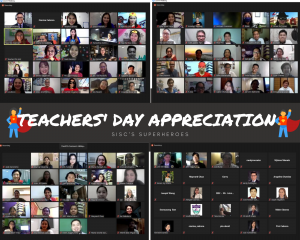 Teachers Appreciation Day
01 February 2021
-
 APE Results are now available
14 January 2021
-
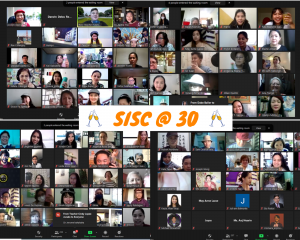 30th Foundation day
01 March 2020
-
Know your employee benefits
01 February 2020
-
 Stress Free during the Pandemic
01 February 2020